
Architectural acoustics: the acoustic behaviour of the building as a design criterion.
A building's acoustic comfort is not the result of adding materials at the end of the project. It is a property that is designed from the start, verified before execution, and measured upon completion.
CTE compliance is the starting point, not the goal.
The Spanish Technical Building Code, in its Basic Document DB-HR, establishes minimum noise protection requirements for buildings. Meeting those requirements is necessary. It is not sufficient.
A building can pass DB-HR compliance measurements and still exhibit significant acoustic problems under real-use conditions.
At SNA we work in the gap between regulatory compliance and real-world results.
Project typologies in architectural acoustics.
Residential buildings
Inter-dwelling insulation, façade insulation, control of installation noise and impact noise on floors.
Hotels
Privacy between rooms, insulation of common areas from rest areas, control of HVAC installation noise.
Offices and workspaces
Control of speech intelligibility, acoustic privacy management, absorption for background noise control.
Educational centres
Classroom acoustic quality is a documented factor in educational performance.
Technical rooms: recording, rehearsal, private cinema
Spaces with special acoustic requirements that demand a comprehensive acoustic design.
Public and institutional buildings
Acoustic projects in buildings with specific requirements for intelligibility, comfort, or protection from exterior noise.
What we do in architectural acoustics.
Absorption and insulation: two different problems
The confusion between acoustic absorption and acoustic insulation is common and has design consequences.
Building modelling
We use acoustic simulation software to model the behaviour of construction systems in projects.
Specification and technical prescription
We prepare acoustic technical documentation: calculation reports, material and system specifications.
Diagnosis of pathologies in existing buildings
When the acoustic problem already exists in a building in use, the starting point is diagnosis.
Representative architectural projects.
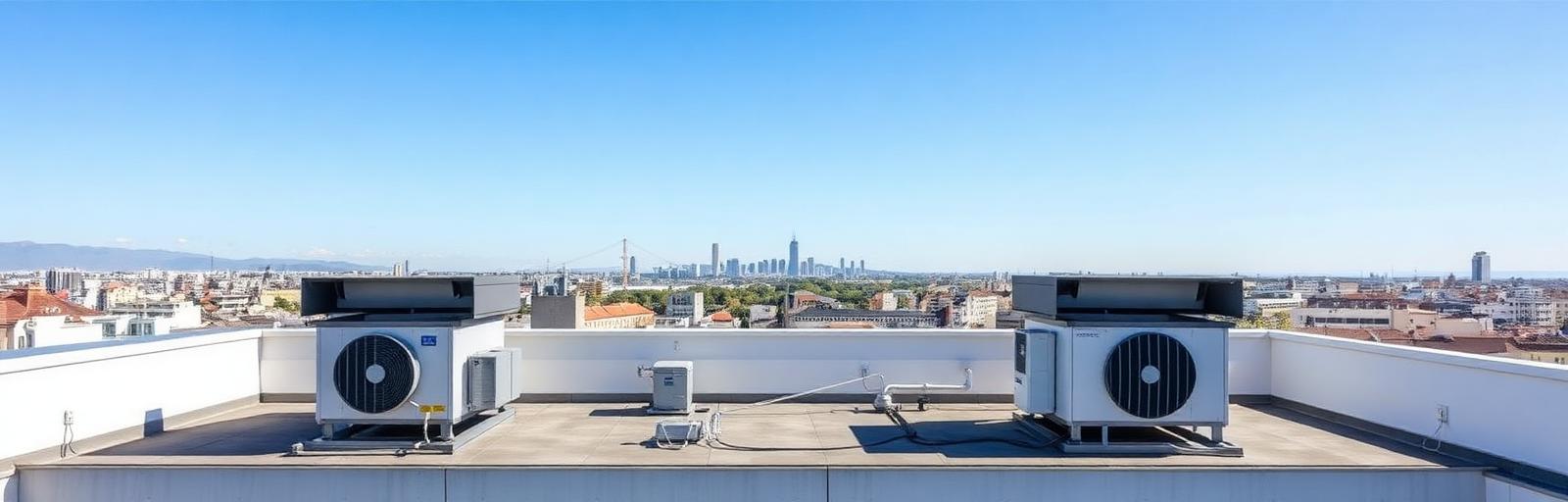
Rooftop acoustic insulation on an exclusive Madrid building
Modular acoustic screens for rooftop extractors and HVAC systems on a landmark building.
View project →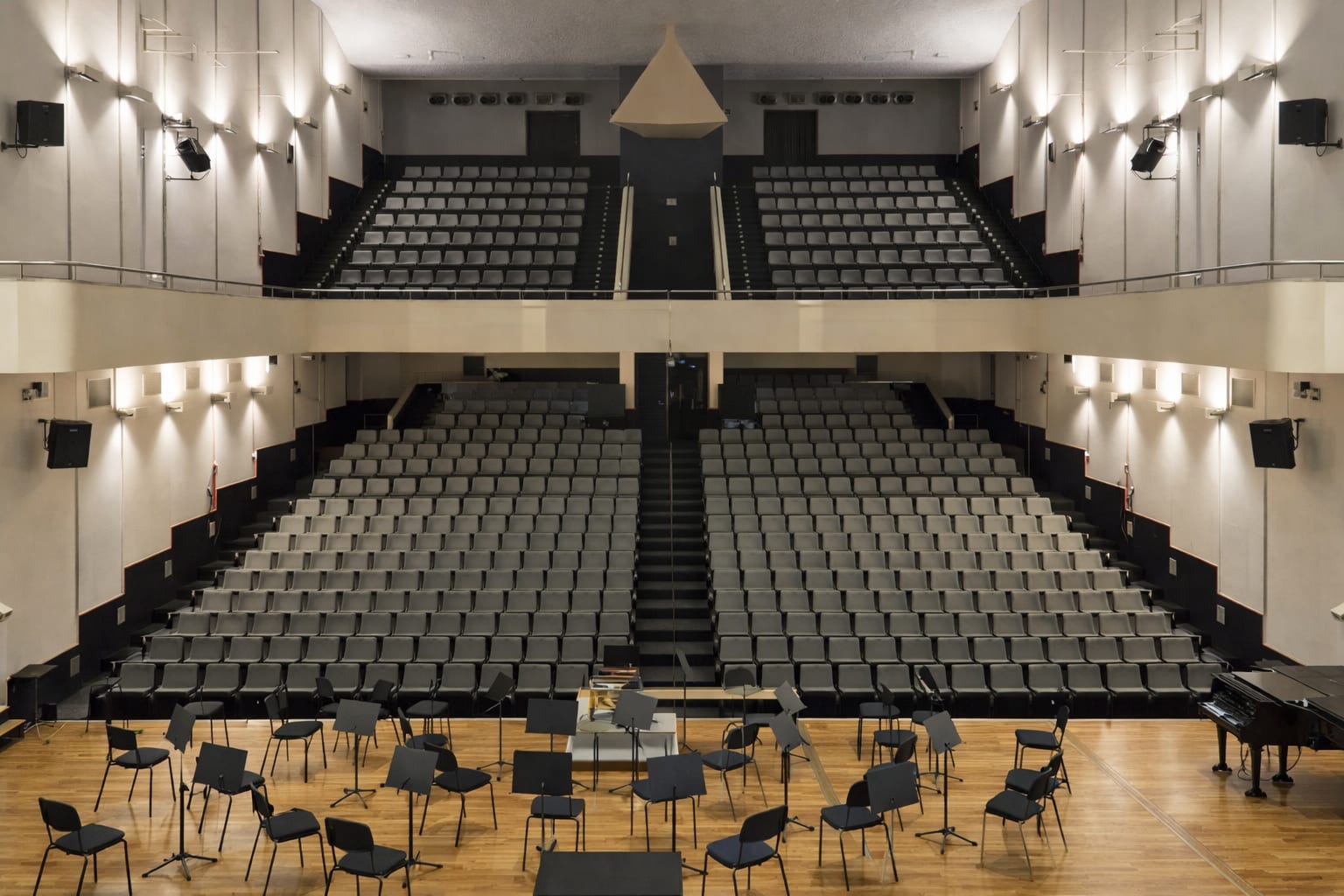
Music conservatory: sonic precision in a heritage building
Bespoke insulation and conditioning for each instrument within a protected heritage building.
View project →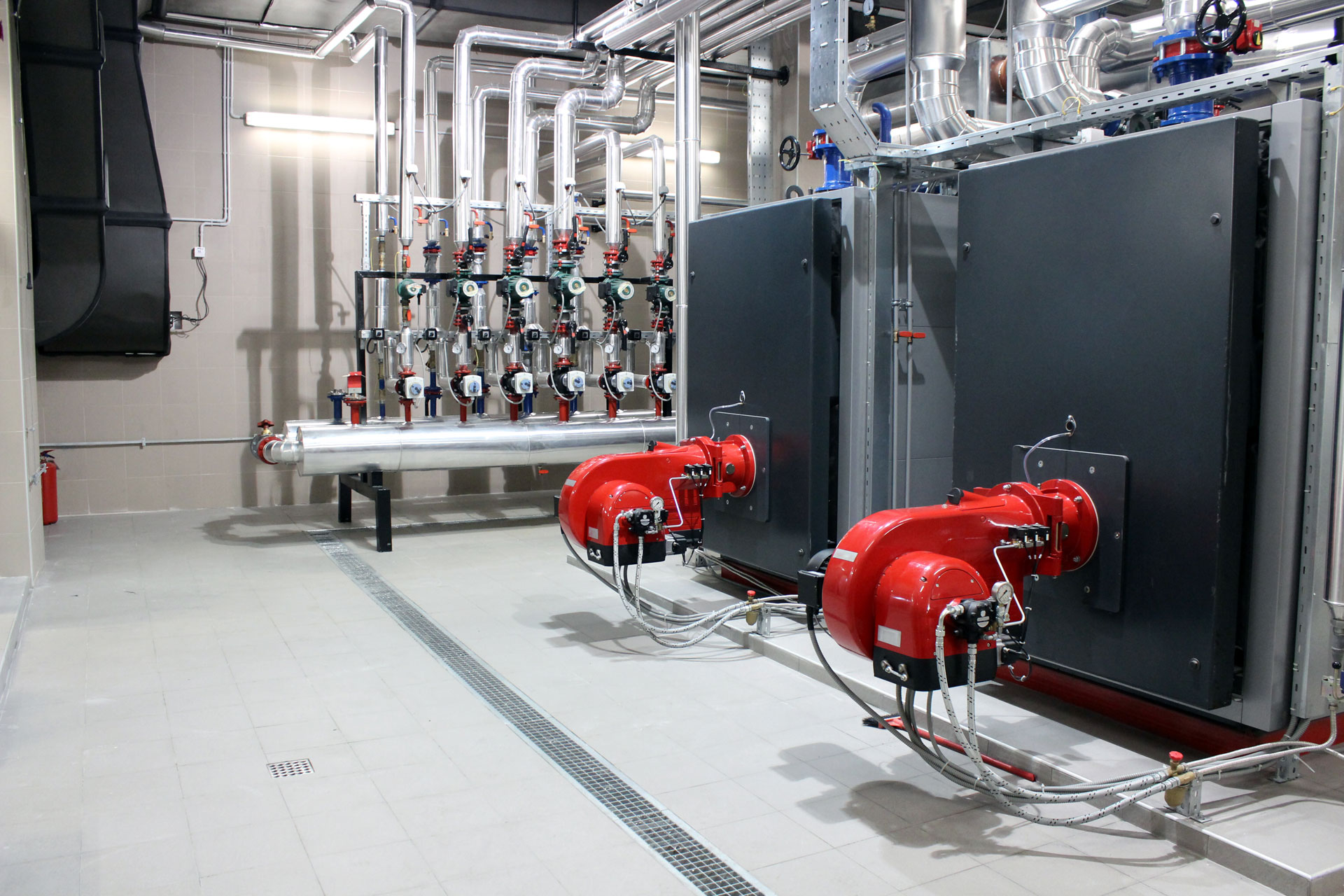
Boiler room adjacent to a bedroom: judicial resolution
95% of the problem was not airborne noise but structural transmission. A precise diagnosis closed the legal case.
View project →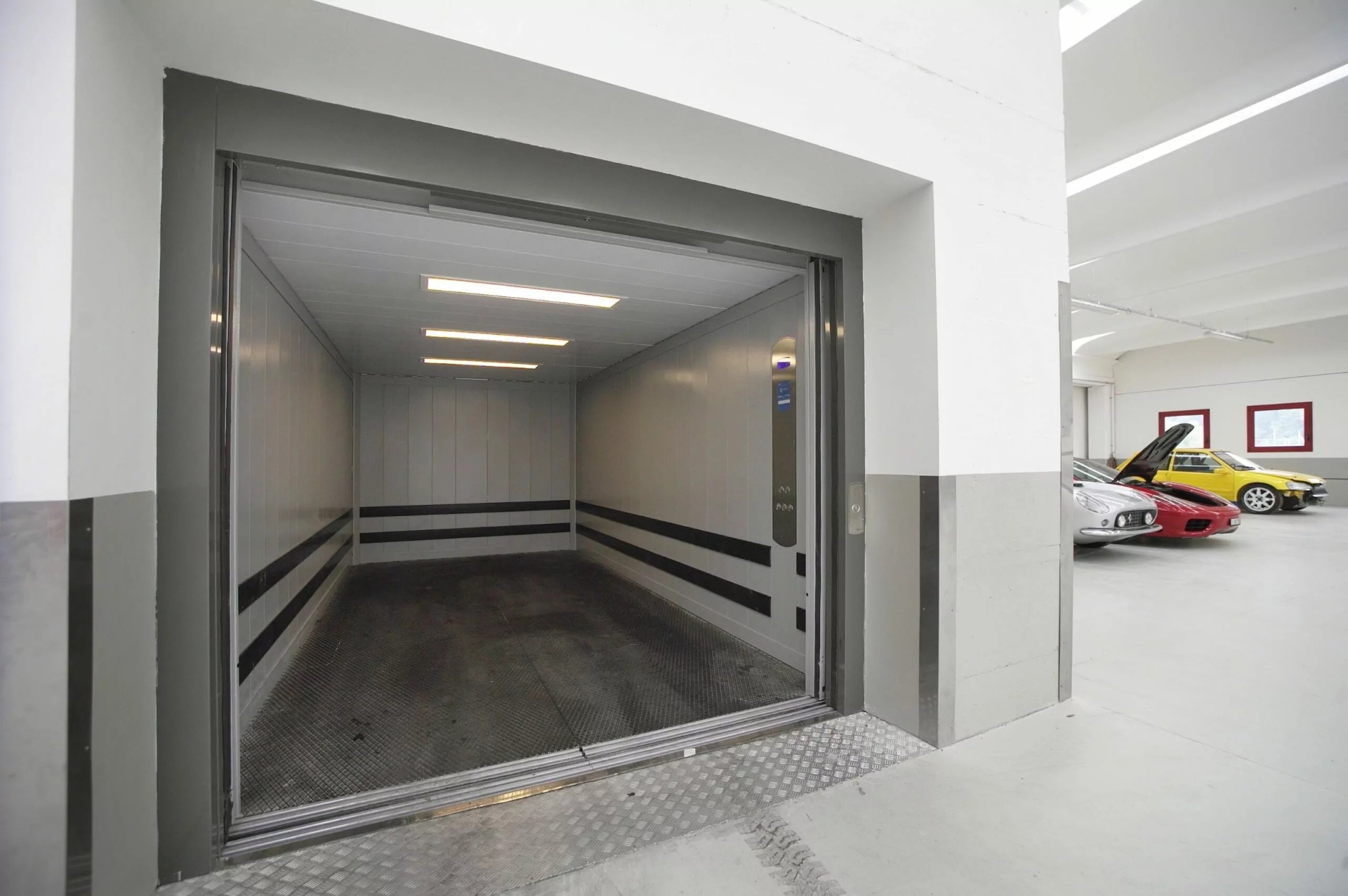
Car lift in a residential setting
Over 20 dB reduction by acting solely on the platform's lateral anchors.
View project →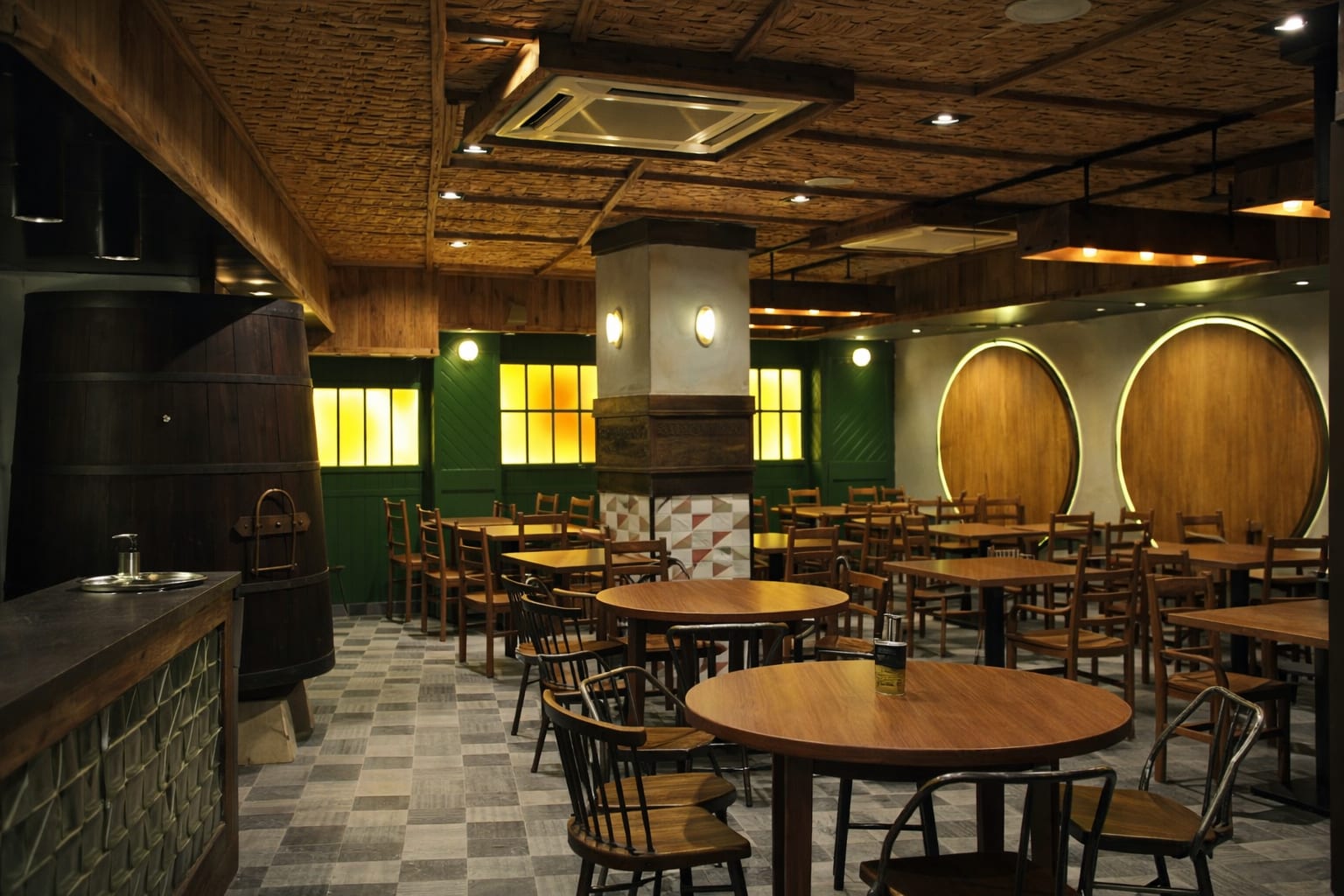
Absorbent acoustic treatment in an iconic Asturian venue
Completely invisible acoustic absorption, integrated into the venue's historic aesthetic.
View project →
Residential buildings affected by railway vibrations
Three buildings protected by SNA while the rest of the area accumulates non-compliance due to train vibrations.
View project →
Television studios at the European Parliament
Development of a custom absorbent material for the European Parliament's central hall.
View project →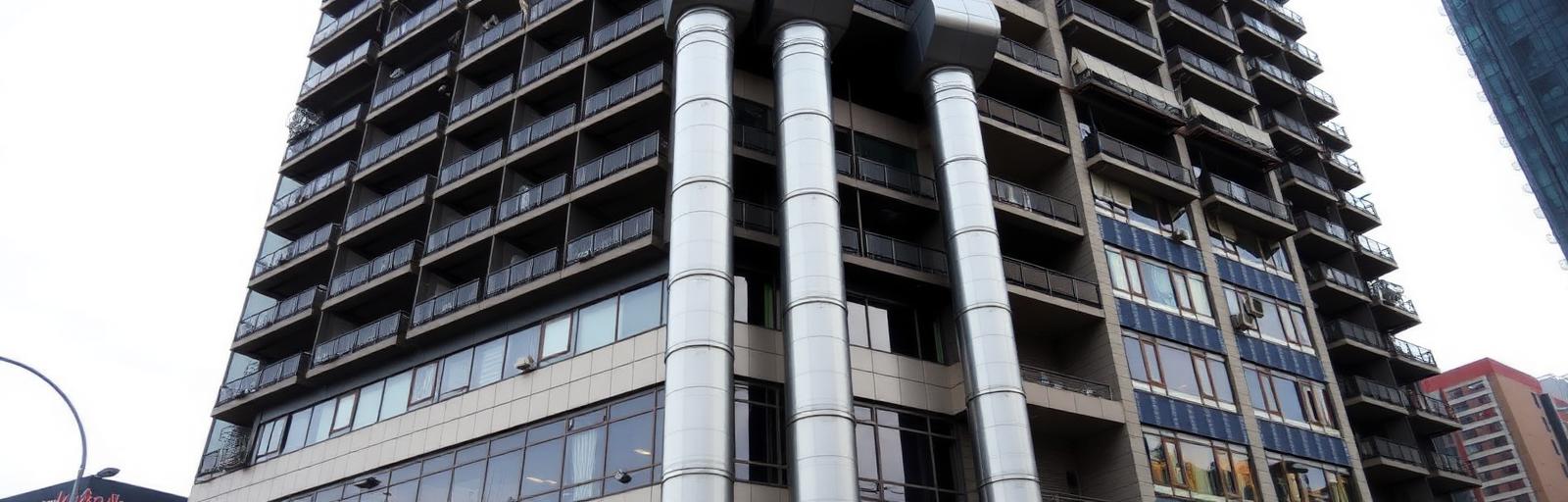
Restaurant chimneys in a shopping centre beneath residential buildings
14 chimney lines running through a residential tower without generating a single complaint.
View project →The building regulatory framework: CTE DB-HR.
The Spanish Technical Building Code (CTE), through its Basic Document for Noise Protection (DB-HR), establishes basic acoustic insulation requirements.
DB-HR defines minimum insulation values between protected and emitting rooms.
SNA works not only to meet these minimum requirements, but to ensure that the building's real acoustic behaviour matches the quality expectations.