
Industrial acoustics: noise as an engineering problem.
In production environments, noise is not merely a regulatory issue. It is a complex technical problem with multiple sources, transmission paths, and operational constraints. We approach it as such.
Beyond compliance assessment.
Noise in the industrial environment has precise technical causes: high-power machinery, vibration transmission to the structure, fluid dynamics in installations, and mechanical interactions between systems. Correctly identifying these causes — with rigour and without simplifications — is the starting point for any effective intervention.
At SNA we do not arrive at an industrial project with a catalogue of solutions. We arrive with the technical capability to understand the problem: characterise the acoustic field, locate sources with precision, analyse the relevant frequency spectrum, and model the environment's behaviour before proposing anything.
The result is a technically sound solution, dimensioned for the real problem and verifiable before execution.
What we do in industrial acoustics.
Industrial acoustic diagnosis
Measurement of occupational noise exposure levels in accordance with RD 286/2006. Spectral characterisation of sources and environments. Source localisation using acoustic camera (beamforming). Structural vibration analysis and mechanical transmission.
Machinery insulation and encapsulation
Design and manufacture of acoustic enclosures for industrial machinery: total or partial encapsulations, modular systems with operational access, integrated forced ventilation.
Industrial acoustic cabins
Design, manufacture and installation of cabins for operators or for the insulation of specific equipment.
Vibration control
Design of vibratory decoupling systems: anti-vibration platforms, elastic supports, flexible joints in piping.
Industrial acoustic silencers
Design and manufacture of reactive and dissipative silencers for airflows, exhaust gases, and industrial ventilation ducts.
Industrial acoustic barriers
Acoustic barrier systems for the protection of work areas or adjacent buildings from external industrial noise sources.
Real-time noise monitoring
Continuous monitoring systems for environments where the temporal variability of noise makes spot measurements insufficient.
Acoustic predictive maintenance
Acoustic and vibration analysis of machinery can detect changes in mechanical behaviour before they manifest as failures.
Representative industrial projects.
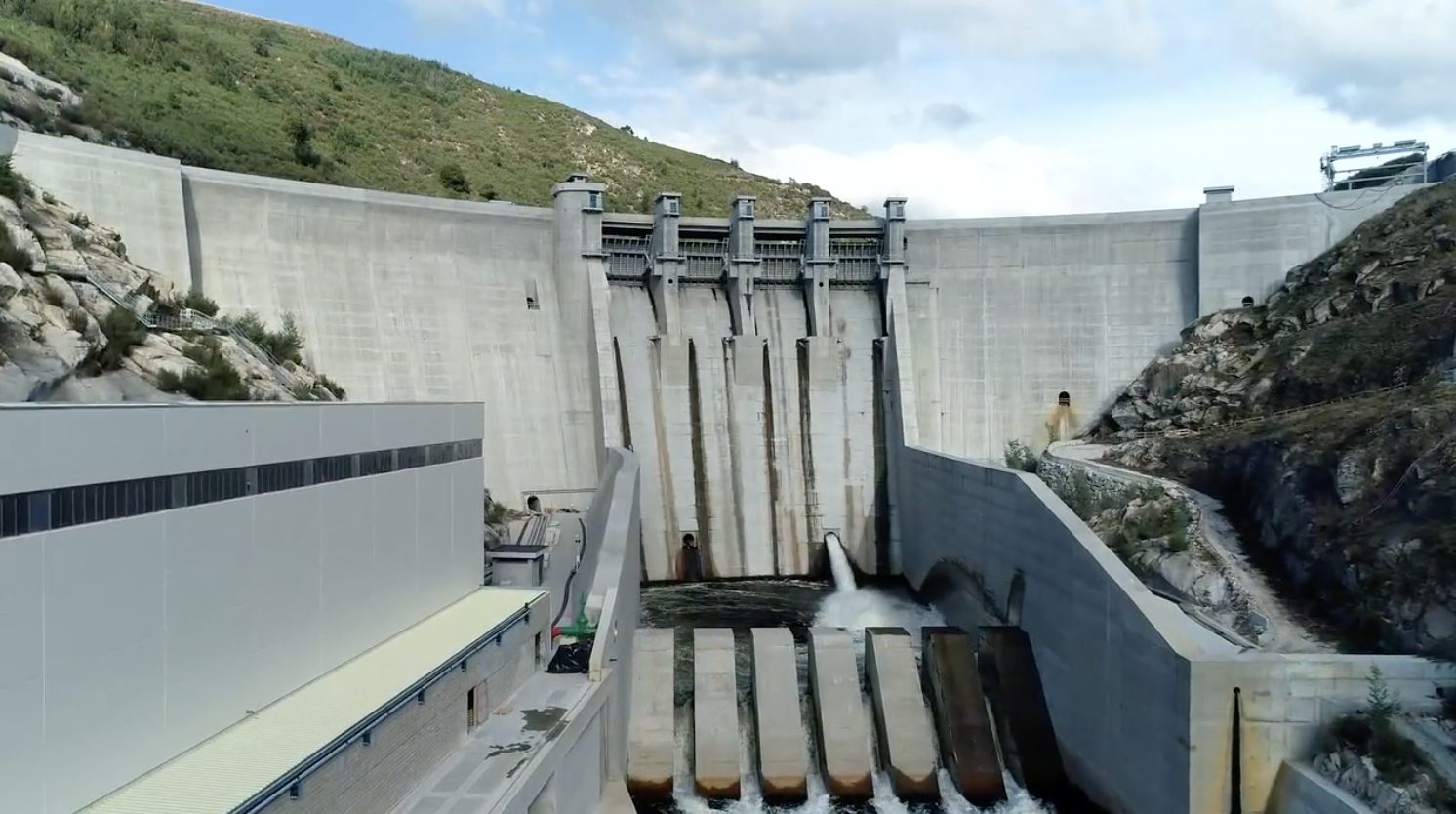
Alto Tâmega Hydroelectric Complex
Acoustic engineering for one of Europe's largest energy infrastructure projects.
View project →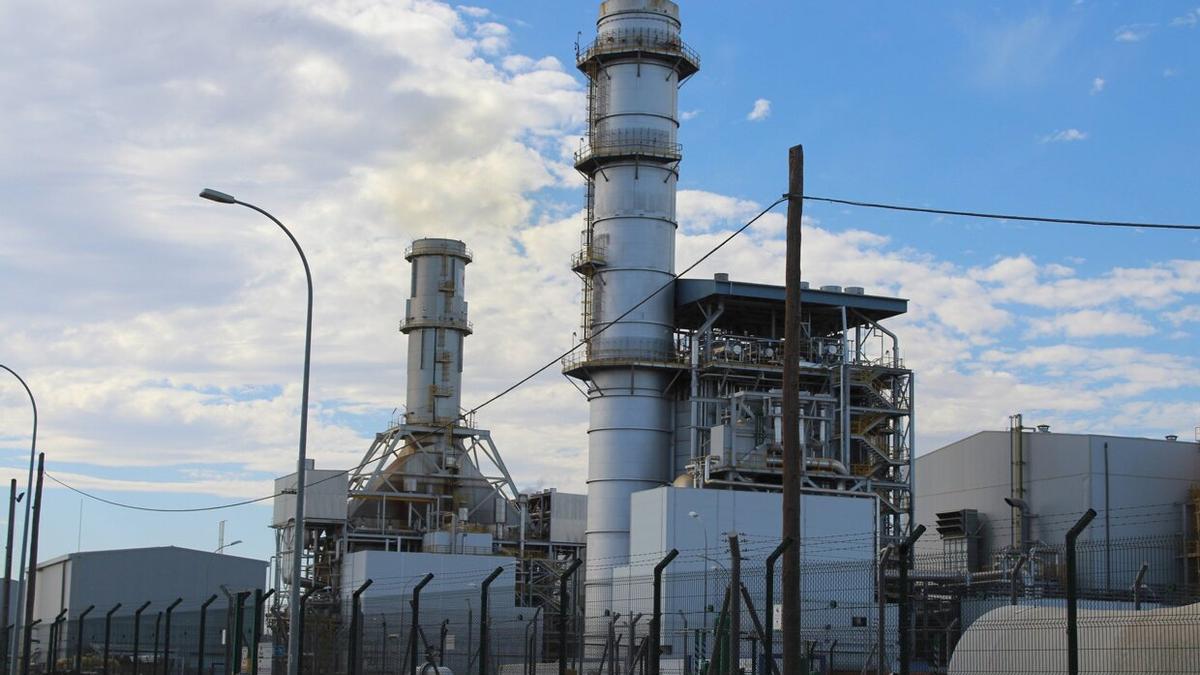
Combined Cycle Thermal Power Plant, Castejón
High-performance acoustic enclosure over HRSG boiler with full structural decoupling.
View project →
Advanced acoustic monitoring at an industrial power plant
One year of continuous monitoring correlating 40–50 operational parameters with acoustic compliance.
View project →
High-performance acoustic booths in a glass factory
Workspaces protected from noise, vibrations and extreme temperatures alongside production furnaces.
View project →
Structural noise analysis in a Data Centre with multiple generator sets
FEM modelling revealed how high-mass concrete structures act as 'structural loudspeakers'.
View project →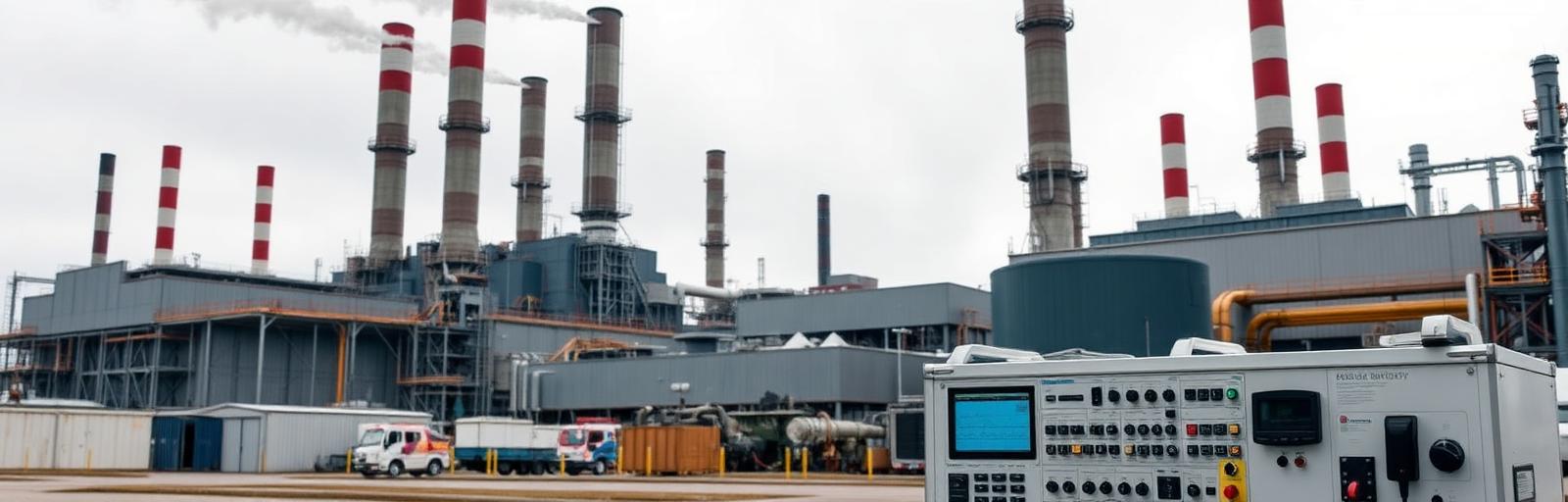
Factories with acoustic non-compliance: precise identification of critical sources
Selective diagnosis that identified the truly responsible sources and drastically reduced corrective investment.
View project →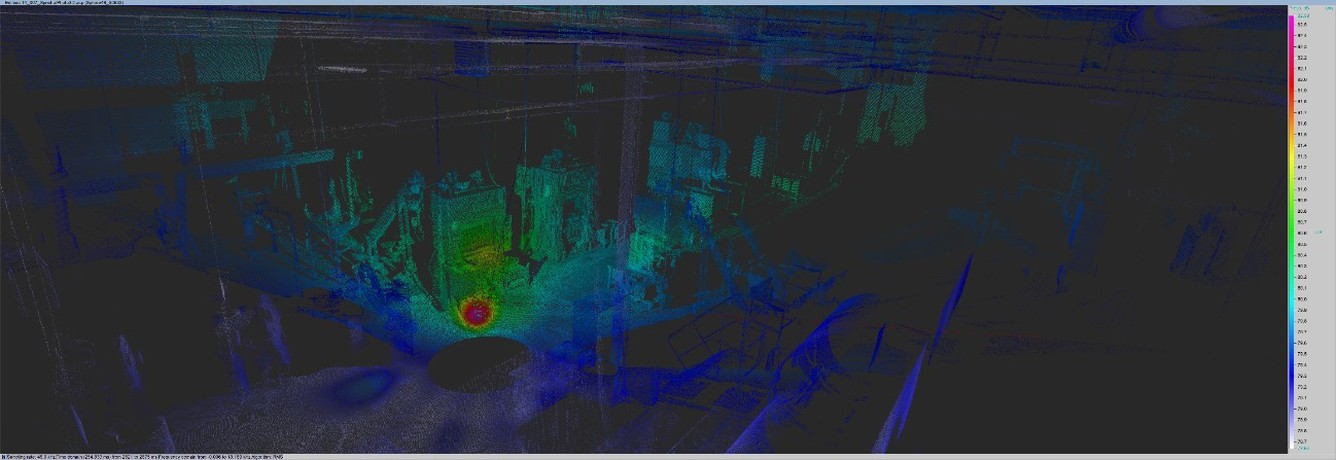
3D acoustic map measured in situ at an industrial plant
Real three-dimensional cartography of over 6,000 m² to prioritise Occupational Risk Prevention measures.
View project →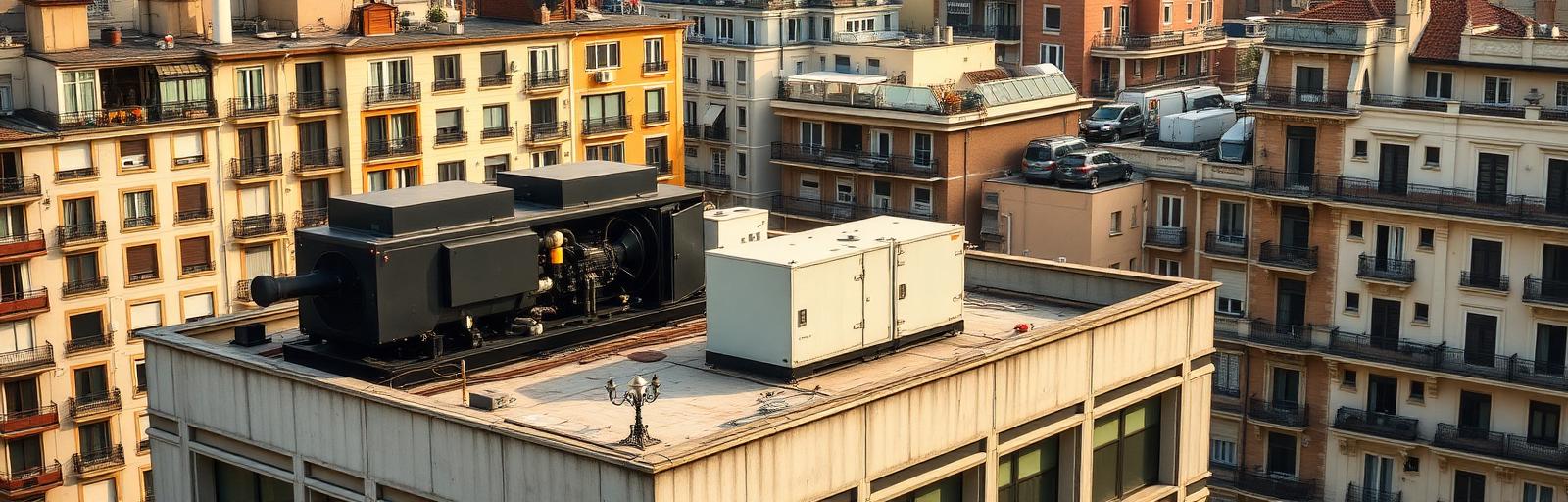
Data Centre in central Madrid: emergency generator sets
From over 120 dB at source to regulatory compliance with dwellings less than 20 metres away.
View project →Regulations governing noise in the workplace.
The reference regulatory framework for the protection of workers against noise is Royal Decree 286/2006, of 10 March, on the protection of the health and safety of workers from risks related to noise exposure.
Compliance with this decree involves, among other actions, carrying out acoustic measurements at workstations, identifying exposed workers, planning technical and organisational measures, and monitoring their effectiveness.
SNA carries out noise exposure assessments in accordance with RD 286/2006 and identifies the most appropriate control measures for each case.