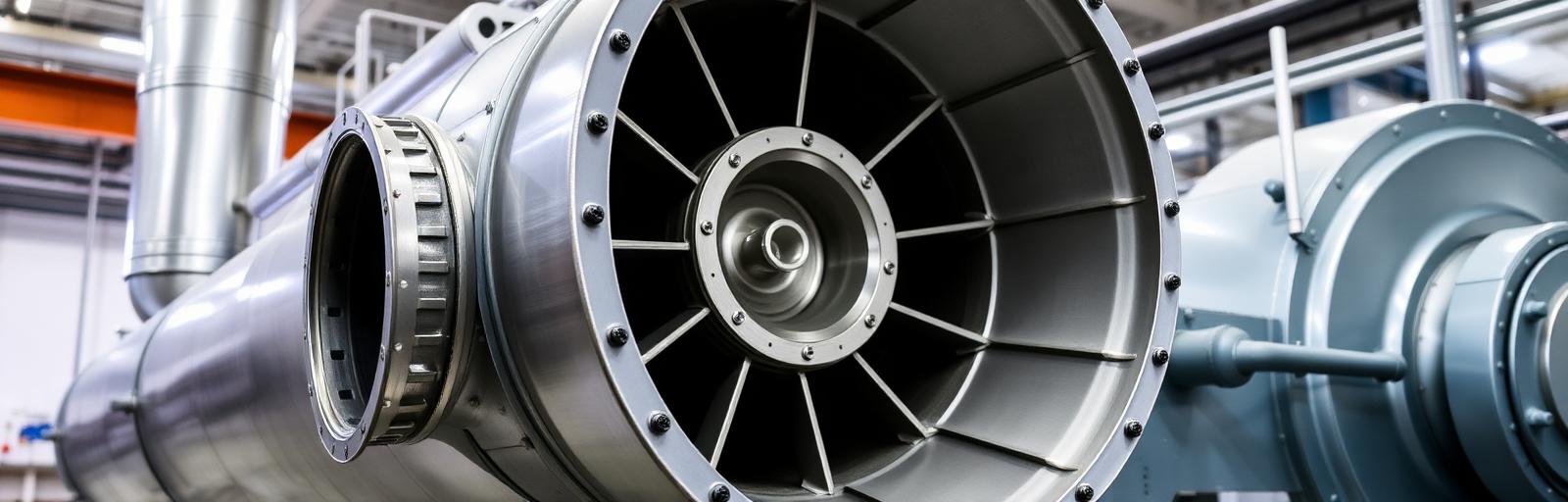
Industrial silencer via FEM modelling for high-flow blowers
FEM-optimised design balancing acoustic attenuation and aerodynamic efficiency at a wastewater treatment plant.
The challenge
The project involved the specific design of a silencer for the blowers of a wastewater treatment plant, aiming to reduce the high noise levels generated by this equipment without compromising its operational performance. The intervention presented significant technical complexity due to the high source sound level and the large air flow rate, requiring minimised pressure losses while simultaneously ensuring effective acoustic attenuation.
One of the main challenges was reconciling three critical variables: noise reduction, aerodynamic efficiency and structural resistance. In these installations, an oversized solution can compromise blower performance, while a lightweight solution may be insufficient from an acoustic or mechanical standpoint.
The solution
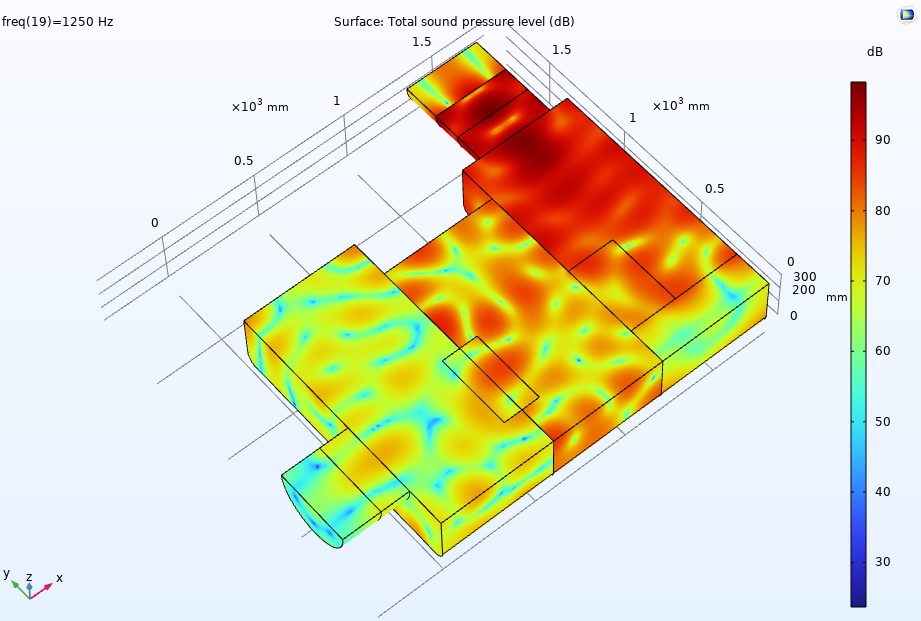
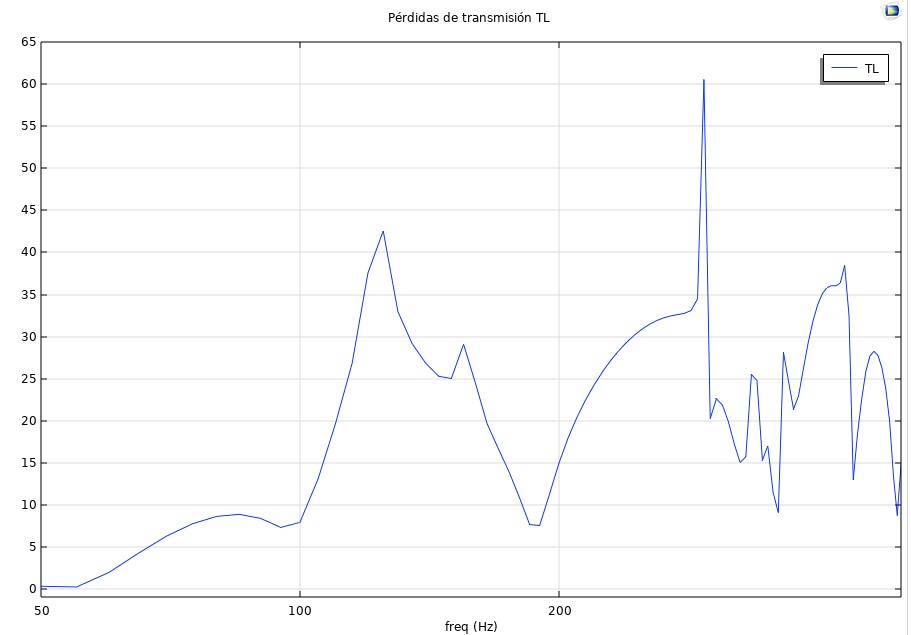
To optimise the design, advanced simulation tools based on the Finite Element Method (FEM) with COMSOL Multiphysics were used. These simulations enabled analysis of sound propagation inside the silencer, study of potential resonance phenomena, evaluation of velocity distribution and estimation of pressure losses. The mechanical behaviour of the assembly under dynamic loads and real operating conditions was also verified.
Based on the numerical models, internal geometries, baffle configurations and absorbent materials were adjusted until an optimal balance was achieved between acoustic attenuation, flow efficiency and structural robustness.
The result
The result was a solution fully tailored to the specific conditions of the installation, technically validated before manufacture. The predictive modelling enabled a more efficient design, reduced uncertainties and optimised costs before execution, reflecting the value of acoustic engineering based on advanced simulation.
Related projects

Wind farm: detecting maintenance issues through low-frequency analysis
Low-frequency acoustic signature as a predictive maintenance tool for wind turbines.
View project →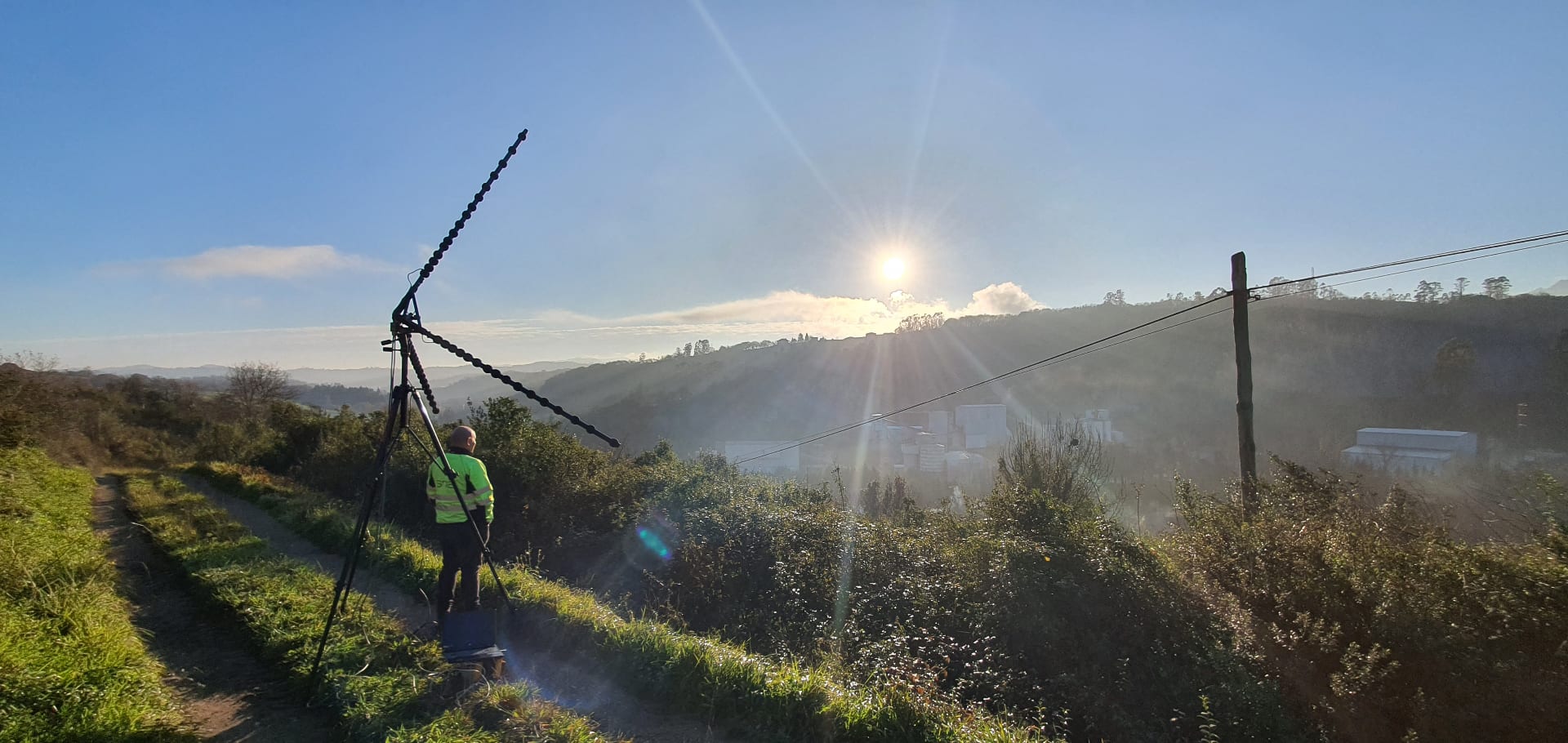
Long-distance noise measurement: assessment at over 2 kilometres
Identification of the industrial acoustic signature, discriminated from the environment, at over 2 km distance.
View project →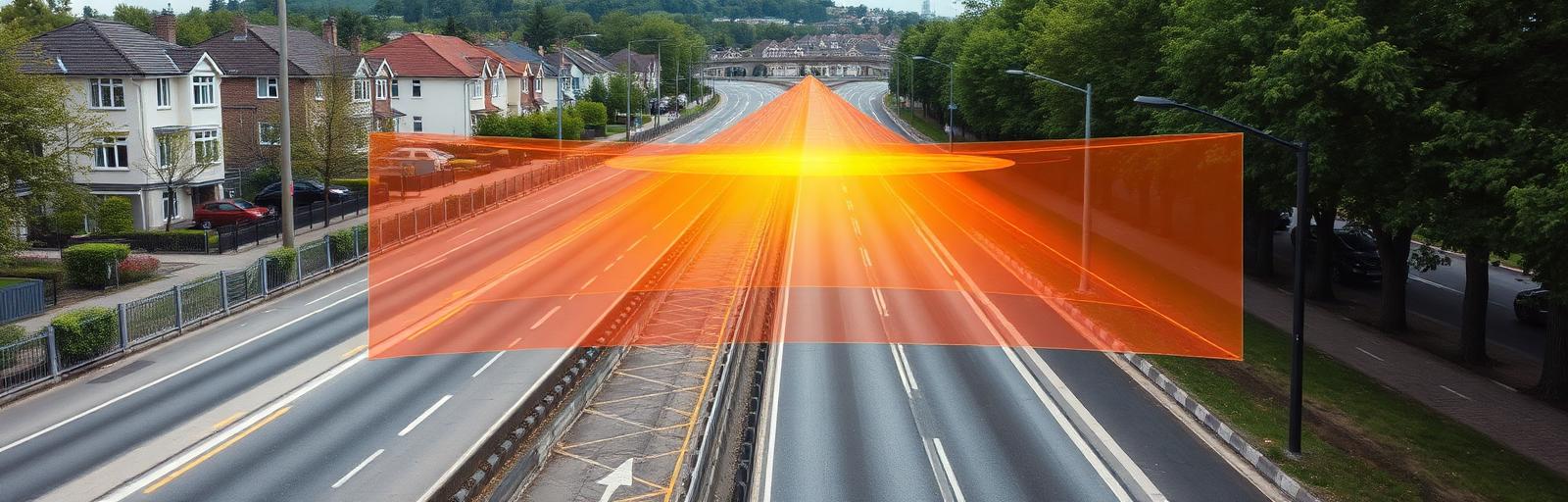
In situ 3D analysis of road noise propagation in a residential area
Real three-dimensional analysis proving that low frequency is the determining factor of impact on dwellings.
View project →