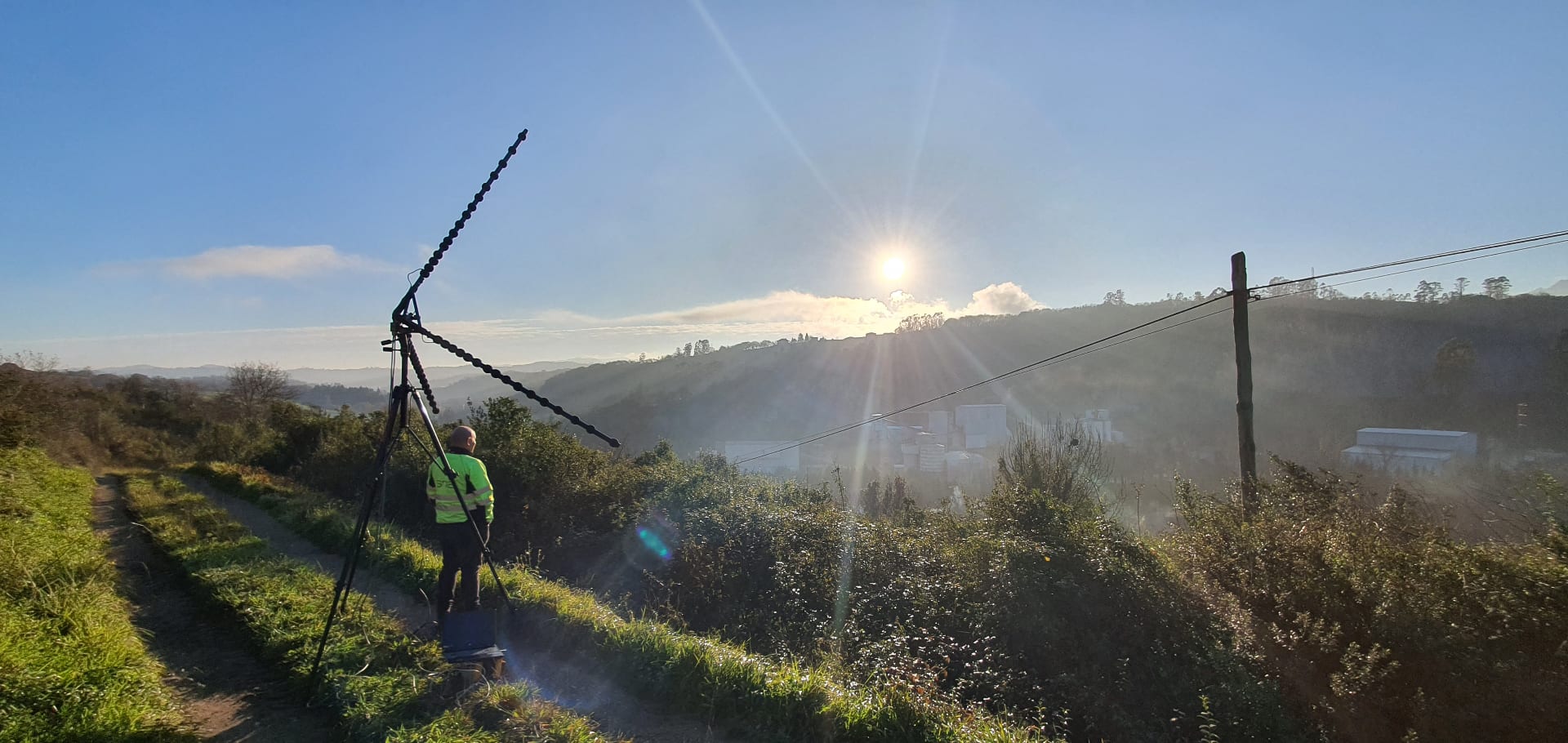
Long-distance noise measurement: assessment at over 2 kilometres
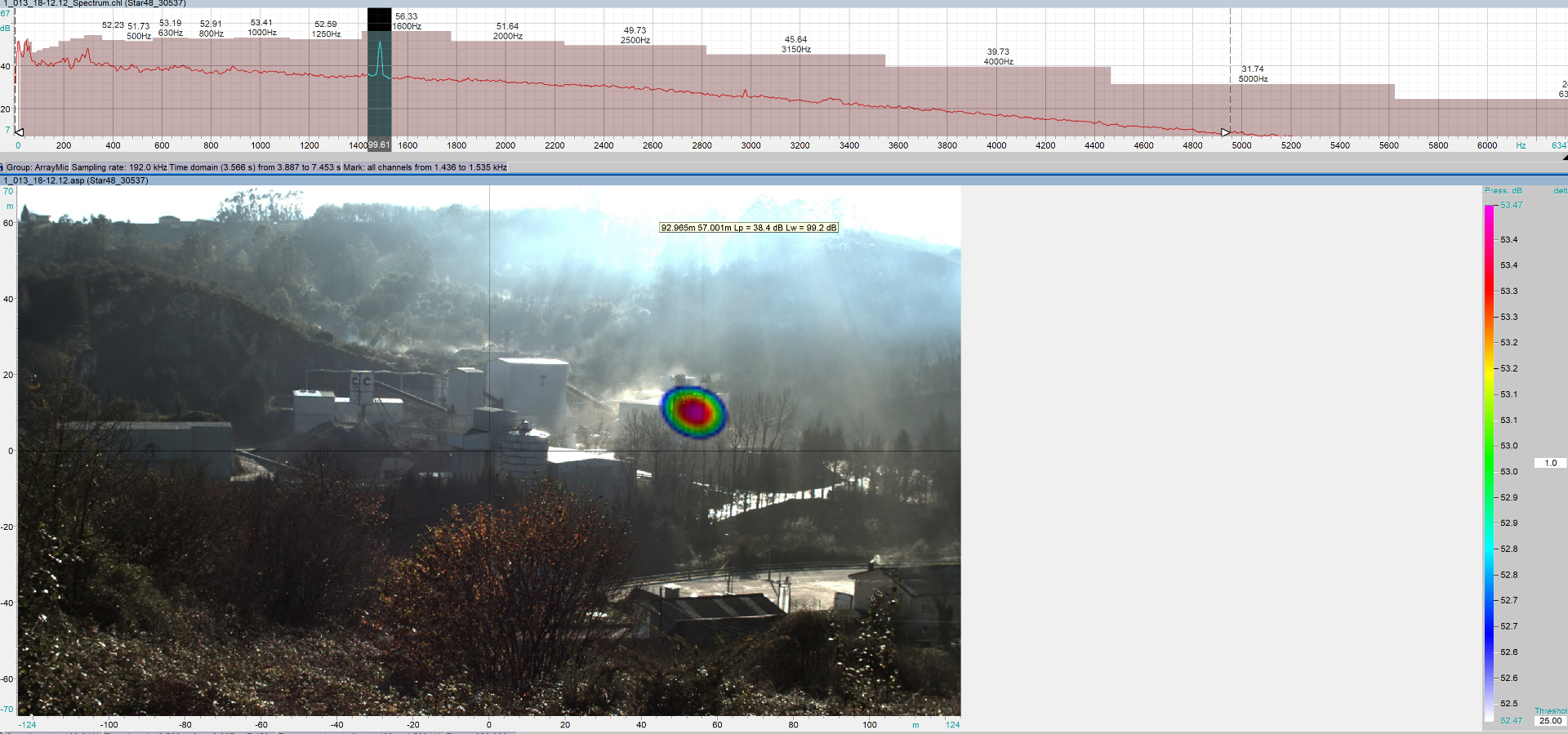
Identification of the industrial acoustic signature, discriminated from the environment, at over 2 km distance.
The challenge
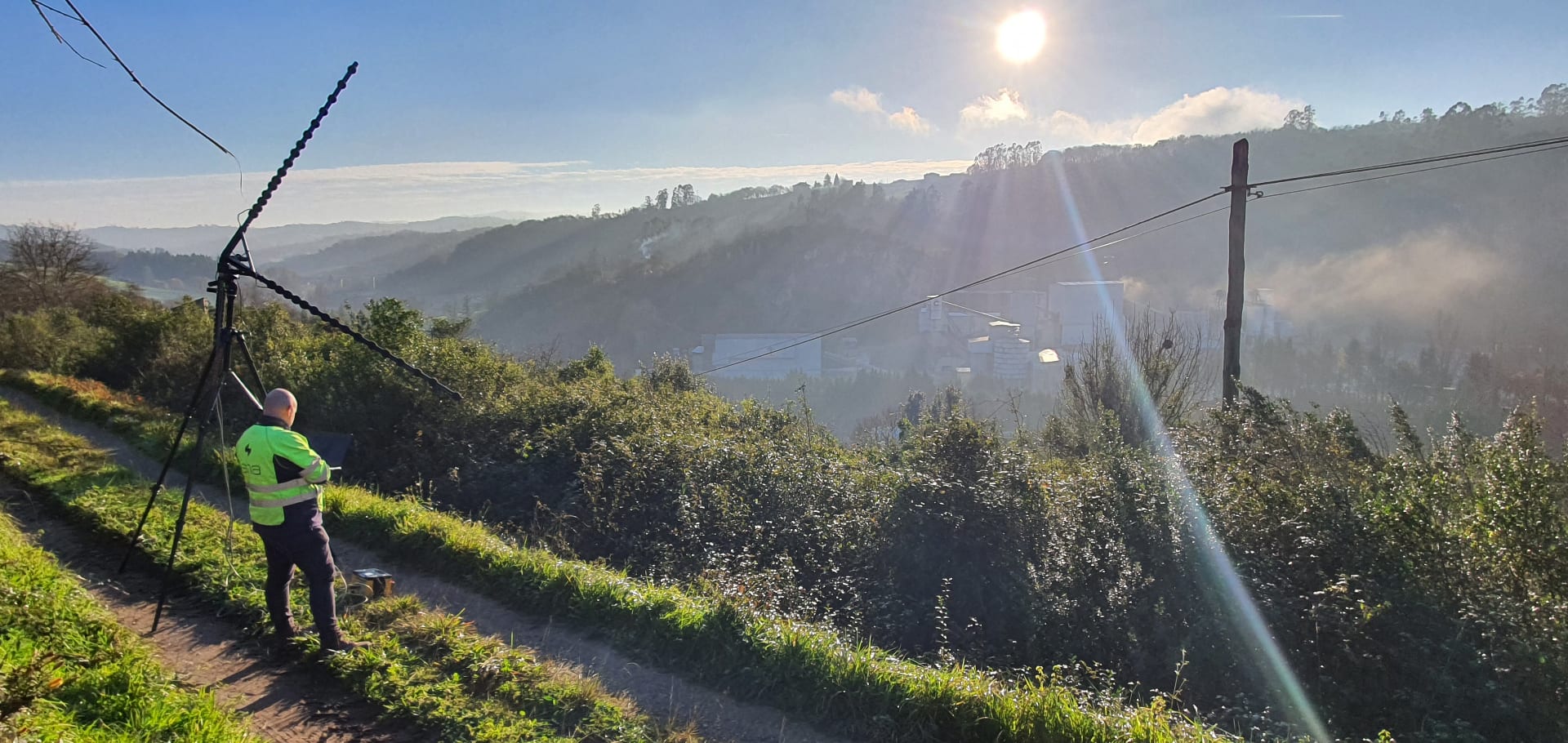
In high-power industrial environments, acoustic impact is not always limited to the installation's immediate surroundings. SNA developed a specific measurement campaign to evaluate long-distance noise propagation, analysing its impact on receptors located more than two kilometres from the emission source.
The technical complexity lay in discriminating the installation's real contribution from background environmental noise, considering determining factors such as meteorological conditions, nocturnal atmospheric stability, possible thermal inversions and the behaviour of low frequency, capable of maintaining appreciable levels over great distances.
The solution
A synchronised measurement strategy at source and receptor was designed, enabling correlation of specific operational events with measured increases at distant points. Detailed spectral analysis facilitated the identification of the installation's characteristic "acoustic signature", differentiating it from the natural sound environment and other possible sources.
The result
The results enabled rigorous technical quantification of the plant's real contribution at remote receptors, providing an objective basis for technical, corrective and administrative decision-making. A complex acoustic propagation study where distance, meteorology and low frequency require advanced methodology, measurement precision and expert analysis.
Related projects

Wind farm: detecting maintenance issues through low-frequency analysis
Low-frequency acoustic signature as a predictive maintenance tool for wind turbines.
View project →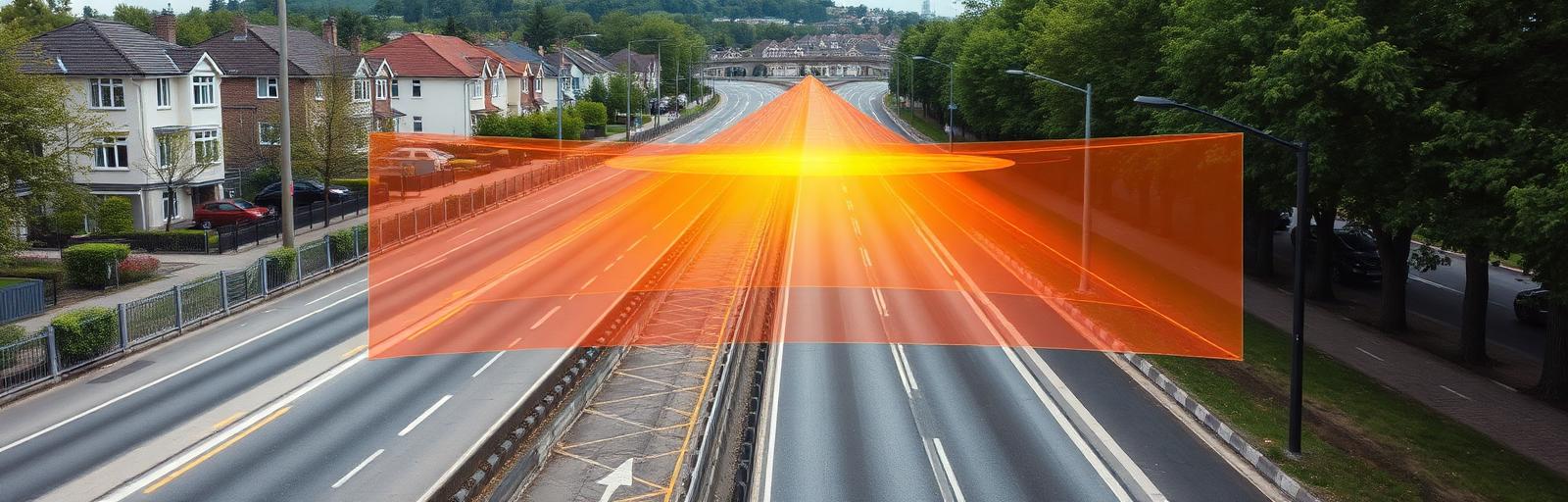
In situ 3D analysis of road noise propagation in a residential area
Real three-dimensional analysis proving that low frequency is the determining factor of impact on dwellings.
View project →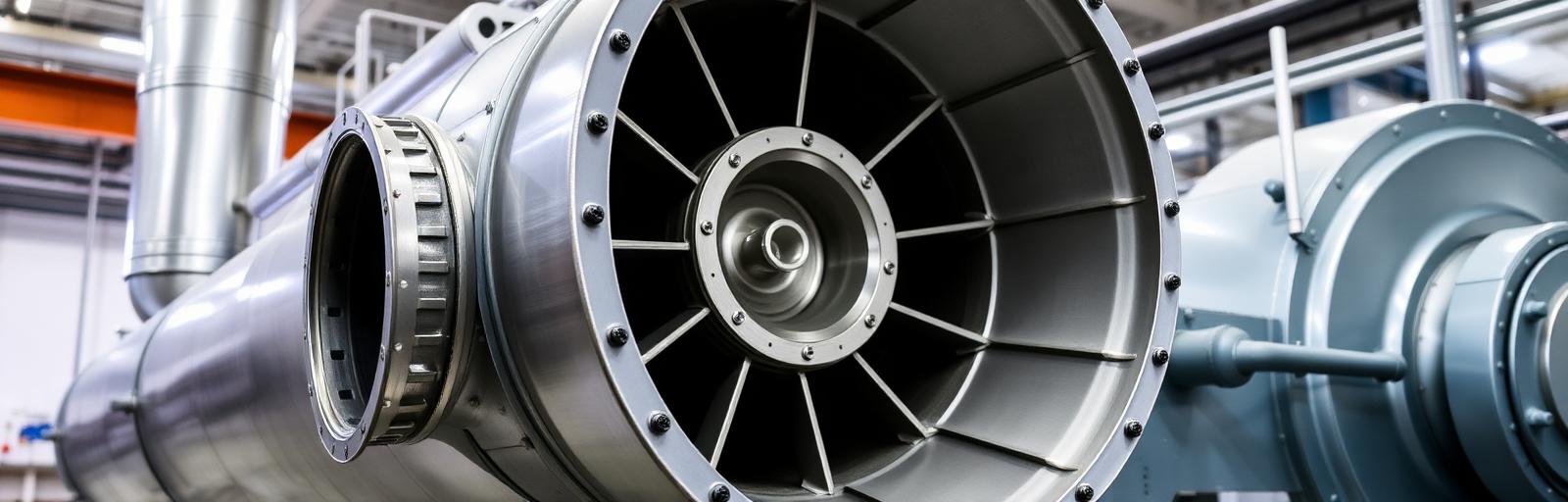
Industrial silencer via FEM modelling for high-flow blowers
FEM-optimised design balancing acoustic attenuation and aerodynamic efficiency at a wastewater treatment plant.
View project →